Wool bedding is valued for its natural temperature-regulating properties and soft, resilient feel. Wool fibers can help manage moisture and support comfortable sleep across changing room conditions. In pillows, sheets, and mattress layers, wool may contribute to a balanced sleep environment while providing a distinct alternative to synthetic fills and conventional textile materials.
Wool fibers absorb and release moisture vapor, which can help reduce the clammy feeling associated with overnight perspiration. Their crimped structure also creates loft and cushioning, useful qualities in bedding and pillows. Performance varies with fiber type, construction, and care, so product labels are important when comparing wool-filled sleep products.
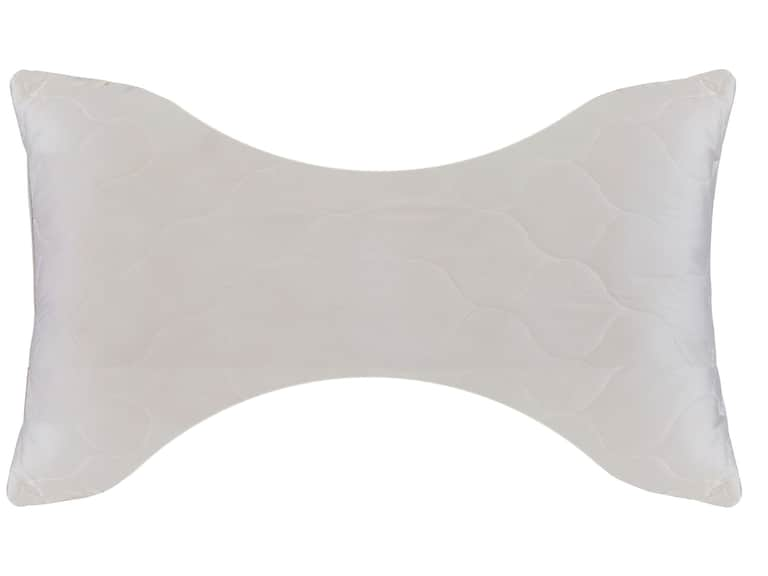
The Sleep and Beyond myDual Side Pillow is a pillow option for people seeking support suited to side sleeping. Its dual-sided design offers distinct surfaces for varied comfort preferences, while the pillow’s construction is intended to provide cushioning and head-and-neck support. Check the product specifications for fill materials, cover composition, dimensions, and care instructions.
When evaluating wool bedding, consider how a material’s warmth, loft, and moisture response fit individual sleep needs. Wool may appear in comfort layers, pillow fill, or other bedding components, and its feel differs from that of cotton, latex, or down. Fiber sourcing and processing details can also help clarify whether a product meets personal preferences.
Material information is especially useful when comparing wool products with organic mattresses, organic crib mattresses, pillows, and sheets. The term “organic” generally applies to specified materials or certifications rather than automatically describing every component. Reviewing labels for fiber content, construction, and cleaning guidance helps identify suitable bedding and understand how wool contributes to comfort and everyday use.
 Bedding