Mattress construction and comfort
Natural Latex Mattress Feel: What Changes With Layer Design
A natural latex mattress is shaped by more than the material it is made from. The thickness, firmness, and order of its layers influence how it cushions the body, responds to movement, and supports different sleeping positions. Learning to read that construction can make mattress comparisons more useful than a single label such as “soft” or “firm.”
Picture a mattress as a small landscape of changing resistance. At the surface, a sleeper’s shoulder or hip begins to press into cushioning. Farther down, firmer material limits how deeply the body settles. Beneath both, the support structure helps maintain a stable sleeping platform. In a natural latex mattress, these layers work together: the feel comes not from latex alone, but from how the latex is arranged and what each section is designed to do.
That distinction matters because two natural latex mattresses can use similar materials and still feel notably different. One may have a deep, yielding comfort layer over a supportive core; another may place a thinner, firmer layer above a more resilient base. Each can be described as latex, yet the first impression—and the experience after several hours—may not be the same.
For shoppers, the practical task is to look beyond broad comfort words and ask specific questions. How thick is the top layer? How does its firmness compare with the layers beneath it? Can the construction be adjusted? Is the mattress supported by latex alone, or by another system such as coils? Those details offer a clearer map of the bed’s likely behavior.
What a layer does depends on where it sits
In a layered mattress, the uppermost material is the first to respond to body weight. A comfort layer can soften initial contact, distribute pressure, and help a sleeper feel less directly against the firmer structure below. Its thickness and firmness both matter. A thicker layer may allow more immersion, while a thinner layer may bring the body closer to the support beneath. A softer layer may yield more readily than a firmer one of the same thickness.
Below the comfort layer, a support layer influences how far the body can settle and how stable the sleeping surface feels. It is not simply a rigid platform. It compresses under load, but its resistance helps keep the mattress from feeling as though the sleeper is sinking without limit. The balance between surface cushioning and deeper support contributes to the sense of alignment and ease people often describe as “comfortable.”
Layer boundaries can also affect perception. When a softer top layer transitions quickly to a much firmer layer, some people notice a more distinct, supported sensation beneath the cushioning. A more gradual transition may feel less abrupt. Neither arrangement is automatically superior; the relevant question is whether the combination suits the sleeper’s body, preferred position, and comfort needs.
Thickness is easiest to interpret in relation to the layers around it. A three-inch comfort layer, for example, does not have one universal feel. Its response will depend on its firmness and the support layer underneath. Similarly, a substantial support core does not guarantee a firm surface if a generous, softer layer sits above it.
Firmness is a description, not a complete explanation
“Soft,” “medium,” and “firm” are convenient shorthand, but they are not standardized descriptions of every mattress. They can vary between manufacturers and may describe an overall impression rather than a single construction detail. Even two mattresses with the same stated firmness can feel different because their layers compress in different ways.
It helps to separate two sensations that are often bundled together. Surface softness describes how readily the upper part of the mattress gives way. Support describes how the complete structure responds as the body settles. A mattress can feel plush at first contact and still resist deeper compression; another may feel comparatively firm at the surface but allow more movement lower down. These combinations are why labels alone can be misleading.
Body weight and shape also change how a mattress is experienced. A layer that feels firm to one sleeper may compress more under another person, who may then notice the softer layers or the core more distinctly. The same bed can also feel different across body areas: shoulders, hips, and legs do not apply equal pressure to the surface.
Instead of treating firmness as a verdict, use it as a starting point for questions. Ask which layer is being described, how thick it is, and whether the stated feel applies to the whole mattress or to a particular configuration. If the manufacturer provides layer specifications, compare those alongside the comfort label.
Pressure relief and the fit between body and bed
Pressure relief is not simply a matter of choosing the softest surface. It depends on how the mattress accommodates the body while maintaining comfortable support. If a top layer is too unyielding for a sleeper’s preferred position, prominent areas such as the shoulder or hip may feel compressed. If the surface permits too much sink for that person, the result may feel less stable or make changing position less comfortable.
Sleep position offers a useful, though imperfect, framework. Side sleepers often need enough cushioning for shoulders and hips to settle without feeling pressed against the underlying structure. Back sleepers may prefer a balance that lets the pelvis and shoulders rest comfortably while keeping the surface from feeling excessively hammock-like. Stomach sleepers commonly pay close attention to how much the midsection sinks. Individual proportions, habits, and preferences can alter all of these general patterns.
A mattress cannot be judged by position alone. A side sleeper who prefers a more buoyant surface may choose a different construction from another side sleeper seeking deeper cushioning. A person who changes position through the night may value a feel that is supportive yet easy to move across. The goal is not to match a position to a fixed rule, but to use it as one clue when comparing layer designs.
It is also useful to distinguish comfort from medical treatment. Mattress construction may influence how a person experiences pressure and support, but a mattress should not be presented as a cure for pain or a substitute for professional healthcare. Persistent or concerning symptoms are best discussed with a qualified health professional.
The character of natural latex
Natural latex is valued in mattress construction for its resilient, springy response. Rather than slowly conforming in exactly the same manner as every other cushioning material, latex tends to compress and rebound with a buoyant quality. The sensation can be described as responsive: the surface gives under pressure, then pushes back as weight shifts.
That response is not identical across all latex layers. Firmness, thickness, manufacturing method, and the overall design can change how quickly and how deeply a section compresses. A soft latex comfort layer may feel quite different from a firm latex support layer, even when both are made from the same broad material category. The phrase “natural latex mattress” therefore tells only part of the story.
Material claims also deserve careful reading. “Natural,” “organic,” and “latex” are not interchangeable terms, and they do not on their own explain the complete construction of a mattress. Consumers interested in organic materials can look for clear descriptions of which components are certified, by whom, and under what standard. Certification applies to particular materials or processes; it should not be assumed to describe every part of a finished mattress unless the documentation says so.
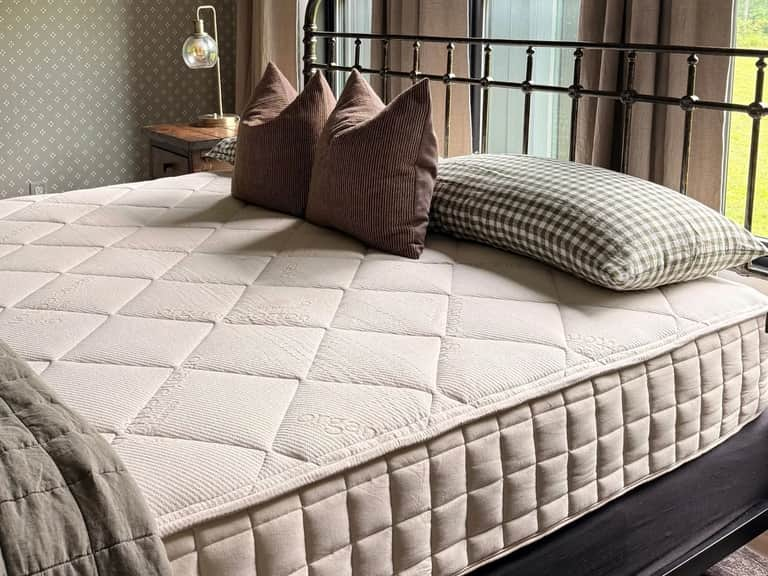
For a concrete example of a layered design, the Naturepedic EOS Classic Mattress is described as having a customizable latex comfort layer and a separate support layer. Its construction makes the distinction between surface feel and deeper support especially easy to consider. The useful takeaway is not that one configuration suits everyone, but that a mattress’s layers can be specified and, in some designs, adjusted to change the experience.
Adjustability changes the comparison
Some latex mattresses use a zippered cover and separable layers, allowing the owner to change the arrangement or replace a layer. In these designs, customization may mean choosing a firmness level at purchase, exchanging a layer during an adjustment period, or configuring each side of a larger mattress differently. The available options vary, so it is important to check exactly what can be changed and under what conditions.
Adjustability can make a mattress easier to tune, but it does not remove the need to think carefully. A change in surface firmness may alter the balance between cushioning and support. Swapping a layer can also affect how quickly the bed responds to movement or how much the body settles. A useful adjustment process is gradual: note what feels uncomfortable, identify whether the issue seems to involve surface pressure or overall stability, and change only what the design permits.
Couples may encounter a particular advantage in models that allow different comfort settings on each side. The arrangement can accommodate different preferences without requiring both people to choose the same feel. Before selecting such a design, check how the center seam, layer sizes, and cover work, and whether each side can be adjusted independently.
Not every mattress needs to be adjustable, and a fixed construction can still suit a sleeper well. The important distinction is between a mattress that offers a known, stable configuration and one that permits later changes. Consider the return or exchange terms, shipping responsibilities, and any limits on adjustments as part of the practical comparison—not as an afterthought.
Compare the whole construction, not just the top
When reading specifications, make a simple layer map. Start at the surface and work downward, noting each material, its thickness, and its stated firmness or role. If a description lists a “comfort layer” and “support layer,” check whether it gives enough information to understand their relative dimensions. If details are missing, ask the seller or manufacturer rather than assuming that familiar terms mean the same thing across brands.
Also check what lies beneath the latex. Some mattresses use an all-latex construction, while hybrid designs combine latex with a coil support system. A hybrid’s feel reflects both systems and the way they interact. The coil structure can contribute a different kind of response from a solid latex base, so two mattresses with similar latex comfort layers may still behave differently.
The Naturepedic Serenade Organic Hybrid Mattress offers an example of this distinction: its listed construction includes a latex comfort layer over an encased-coil support system. That makes it a useful comparison point when considering how a mattress that contains latex may differ from an all-latex design. Its specifications describe one particular build, not a universal template for hybrid mattresses.
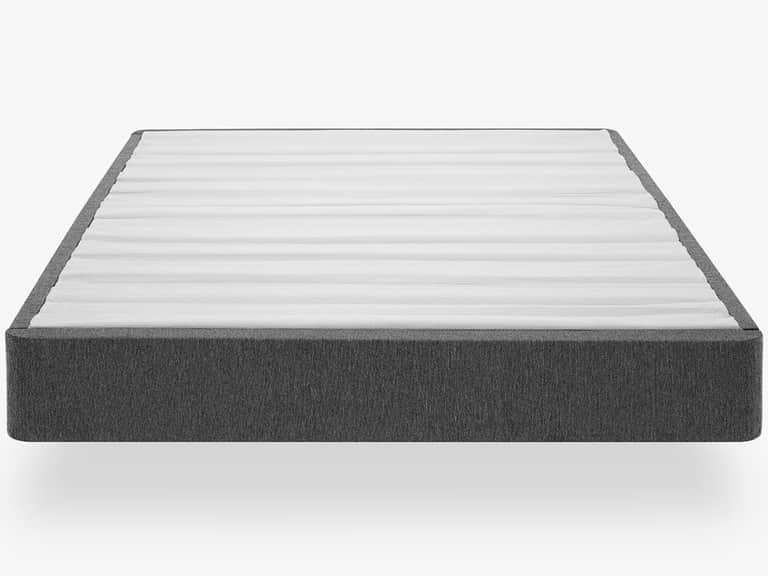
Finally, look at the base the mattress will rest on. A compatible, stable foundation supports the mattress as designed; an unsuitable or uneven base can interfere with how the full system performs. Follow the mattress maker’s guidance about slat spacing, platform support, and frame compatibility. A mattress is only one part of the sleep surface.
A practical comparison checklist
Before choosing among natural latex mattresses, gather the details that describe how each one is built. A short checklist can keep comparisons grounded in construction rather than marketing language:
- Layer order: Identify what is directly beneath the cover and what supports it farther down.
- Layer thickness: Compare the depth of the comfort layer and support structure, not just total mattress height.
- Firmness by layer: Find out whether firmness describes the surface, the core, or the overall mattress.
- Construction type: Determine whether the support comes from latex, coils, or another system.
- Adjustability: Check whether layers can be rearranged or replaced, and review the terms and costs.
- Body and sleep position: Consider where you feel pressure, how much cushioning you prefer, and whether you change positions.
- Foundation requirements: Confirm that the bed frame or base is suitable for the mattress.
- Material and certification claims: Look for precise descriptions of the materials and any certifications, including which components they cover.
- Trial and care details: Read the exchange, return, and maintenance policies before relying on an at-home test.
If testing mattresses in person, spend enough time in the positions you normally use and notice more than the first impression. Pay attention to whether pressure builds, whether the surface feels stable when you turn, and how the bed responds when you settle into it. If testing at home, allow time to become familiar with the feel while also observing the stated trial conditions. A brief showroom test and an extended home trial are different kinds of evidence.
Reading the details with confidence
The most informative question about a natural latex mattress is not simply “Is it soft or firm?” It is “What in the construction creates that feel?” Thickness, firmness, layer placement, and the underlying support system all contribute. Together, they determine how the mattress welcomes the body at the surface and how it responds as weight settles deeper.
These details help turn a crowded set of product descriptions into a more practical comparison. A sleeper can weigh cushioning against stability, consider how a preferred sleep position interacts with the design, and decide whether adjustability is worth seeking. Clear specifications do not guarantee that a mattress will feel perfect to every person, but they make it easier to understand what is being compared.
Think of the layers as a series of small decisions built into one sleeping surface. Each one changes the response of the whole. By tracing those decisions—from the first soft contact to the support beneath—you can approach natural latex mattresses with sharper questions and a better sense of what their design is meant to do.
Frequently asked questions
Does a thicker latex layer always feel softer?
Not necessarily. Thickness can allow more compression, but the layer’s firmness and the support beneath it also affect the feel. Compare the complete construction rather than assuming thickness alone predicts softness.
Is a natural latex mattress the same as an organic latex mattress?
No. The terms describe different claims. “Natural latex” refers to the material category, while “organic” generally relates to specific certification standards and components. Check which materials are certified and what the certification covers.
Can changing a mattress layer change its support?
Yes. A different layer or firmness can change how the mattress responds to body weight and how far a sleeper settles. The effect depends on the mattress design and which layer is changed, so follow the manufacturer’s instructions.
Should sleep position determine mattress firmness?
Sleep position is one useful consideration, not a complete rule. Body shape, personal comfort, movement during the night, and the mattress’s layer design all influence how a firmness level feels.