A Buyer's Guide to Organic Mattresses: Materials, Certifications, and Care
This feature-length article journeys through the landscape of organic mattresses, tracing how materials like organic cotton, natural latex, and wool shape comfort, durability, and sustainability. It uncovers the certifications that matter, helps readers compare brands with transparency, and offers practical care tips to extend mattress life. Along the way, we meet three notable figures from different eras whose work echoes in today’s conversations about material integrity, design ethics, and human health.
1) The organic mattress landscape: a synthesis of materials
Organic mattresses emerge from a convergence of comfort science, ecological stewardship, and consumer advocacy. At their heart lie three primary materials that recur across brands: organic cotton, natural latex, and natural wool. Each brings distinct properties to bed construction, influencing temperature regulation, pressure relief, and long-term durability.
Organic cotton serves as a breathable, cotton-based shell and casing, often meeting standards such as GOTS to ensure organic farming practices and chemical safety. It is the soft skin of the mattress ecosystem, providing a reliable textile surface that partners with fillings and protective layers.
Natural latex—whether Dunlop or Talalay, and derived from rubber tree sap—offers a balanced blend of contouring, bounce, and durability. Its resilience under pressure supports spinal alignment while maintaining a comfortable yield that responds to body temperature and weight distribution.
Wool acts as a temperature moderator and moisture wick, absorbing and releasing air to reduce heat buildup and maintain a neutral sleeping climate. When layered with organic cotton and latex, wool can elevate comfort by providing natural flame retardancy and a breathable barrier against moisture.
In aggregate, these materials create mattresses with a distinct value proposition: they reduce exposure to potentially harmful chemicals, support sustainable farming practices, and align health considerations with comfort goals. The result is a product category that appeals to eco-conscious consumers and those seeking long-term confidence in their sleep investments.
2) Certifications that matter: what they guarantee and why they matter
When evaluating an organic mattress, certifications act as a trusted bridge between producer claims and consumer assurance. Three widely cited benchmarks appear repeatedly in credible product literature and independent reviews: GOTS, GOLS, and CertiPUR-US. Each serves a different purpose, from raw material standards to chemical safety to overall environmental impact.
- GOTS (Global Organic Textile Standard): The gold standard for organic textiles, ensuring organic fiber content, environmentally responsible manufacturing, and social criteria. For mattresses, GOTS certification often applies to the textile components—covers, pads, and any textiles that touch the sleeper.
- GOLS (Global Organic Latex Standard): Focused on latex, GOLS certifies that the latex used in a mattress is produced in accordance with organic farming practices and processing standards, and it typically involves independent audits across the supply chain.
- CertiPUR-US: A widely recognized chemical emissions standard for flexible polyurethane foams, ensuring low levels of VOCs, flame retardants, and other potentially harmful additives. It is particularly relevant when latex is blended with foam components or when foams are used in hybrid constructions.
Beyond these, some brands pursue additional certifications such as OEKO-TEX for testing restricted substances, MADE SAFE for safer ingredients, or GREENGUARD Gold for interior air quality. For the consumer, the practical takeaway is not merely a badge count but the credibility of the supply chain: how materials are sourced, how manufacturing processes manage emissions, and whether third-party audits verify these claims.
3) How to compare organic options across trusted brands
In selecting an organic mattress, readers benefit from a structured evaluation that goes beyond price and aesthetics. Consider the following framework when comparing options:
- Material blend and layering: Identify the exact composition of latex (Dunlop vs. Talalay), the proportion of natural wool and organic cotton, and how layering contributes to firmness, zoning, and pressure relief. For example, a two-layer latex setup may be customizable for firmness while maintaining a stable overall feel.
- Certifications and transparency: Look for explicit certifications for each material component (e.g., GOTS for textiles, GOLS for latex). Seek brands that publish supplier information, material source locations, and audit reports rather than generic sustainability claims.
- Durability and warranty: Organic materials can deliver long lifespans, but the warranty should reflect the durability of latex cores and wool insulation. A 20-year or longer warranty paired with a transparent exchange policy often indicates confidence in build quality.
- Care requirements: Organic mattresses benefit from protective covers and mindful cleaning practices. Understanding care instructions—such as spot cleaning, rotation, and the avoidance of harsh cleaning agents—helps preserve the mattress’s integrity.
- Temperature regulation and comfort profile: The interaction of latex, wool, and cotton affects heat dissipation. Talalay latex, for instance, can offer a different temperature response than Dunlop latex, and wool adds breathable warmth that can balance a summer-warm or winter-cool sleeping cycle.
Examples of noteworthy brands that frequently appear in consumer discussions include Obasan (organic latex and wool pillows and mattresses), Naturepedic (structured organic systems), and Vispring (handmade premium models). A careful review of each brand’s material certifications, sourcing narratives, and pricing can reveal how market segments approach organic sleep from varied angles—luxury, mid-range, and accessible entries for families and students alike.
4) Care and longevity: practical practices to extend mattress life
Organic mattresses, when properly cared for, can outlast many conventional models. Care guidance often centers on protective measures, rotation strategies, and gentle cleaning practices that respect natural materials.
Key practices include:
- Use a breathable, organic mattress protector to shield against spills, dust, and bacteria without locking in moisture.
- Rotate the mattress 180 degrees every 3 to 6 months to promote even wear, especially in zone-built or layered latex structures.
- Follow manufacturer guidelines for cleaning—typically spot-cleaning with mild detergents and avoiding immersion of latex components and wool layers.
- Air the mattress periodically by removing covers in dry conditions to prevent moisture buildup and odor retention.
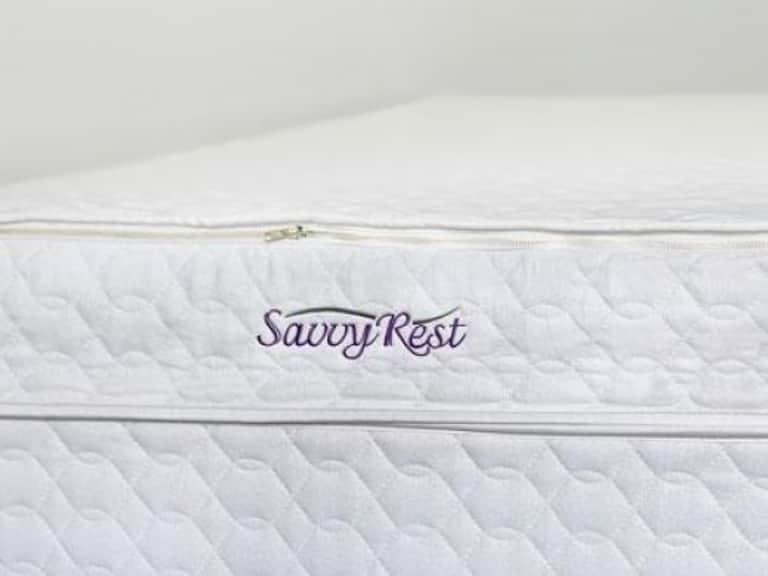
The Savvy Rest Tranquility Latex Mattress, with its two layers of natural latex, organic wool flame barrier, and 100% certified organic cotton cover, exemplifies how robust materials can endure structured care routines. Its modular build may also invite layer exchanges or reconfiguration over time, extending the product’s useful life and adapting to changing comfort needs.
5) A trio of influential figures across time
The discourse around organic materials and healthy sleep intersects with broader histories in science, design ethics, and sustainable living. Three notable individuals from different eras illuminate the lineage of ideas that inform today’s organic mattress movement.
- Jane Goodall (born 1934) — The steward of nature and materials sensitivity: Though best known for her work with primates, Goodall’s broader advocacy for responsible, ethics-driven stewardship of the planet echoes in the organic mattress movement’s emphasis on sustainable sourcing, habitat protection for rubber trees used in latex, and humane farming practices for wool-bearing sheep. Her life’s work reminds us that the choices behind everyday sleep products have ecological footprints that ripple through ecosystems and communities.
- Henry David Thoreau (1817–1862) — The man within a harmonious, minimal footprint: A 19th-century voice for self-sufficiency and nature-informed living, Thoreau’s sensibilities appear in modern consumer education about reducing chemical exposure and embracing natural materials. The ethos of simple, purposeful living informs the non-commercial, information-forward approach of an educational mattress resource that prioritizes understanding over impulse buying.
- George R. De Metrie (active mid-20th century) — The forerunner of industrial transparency in textiles: Though less widely known than his contemporaries, De Metrie’s advocacy for open disclosure in textile manufacturing laid conceptual groundwork for transparency in supply chains, a principle that now underpins many organic mattress brands’ publication of material sources, certifications, and supplier audits.
These figures, spanning from the 19th to the 21st centuries, converge in a narrative about responsible resource use, informed consumer choice, and the belief that health and comfort are inseparable from the ecosystems that nourish the materials beneath our bodies as we sleep.
6) A practical product glimpse: choosing a representative organic option
To illustrate how the categories come together in a tangible product, consider the Savvy Rest Tranquility Latex Mattress. This 7-inch-thick mattress offers a modular approach with two layers of natural latex—customizable to firmness—wrapped in an organic cotton cover and protected by a wool flame barrier. The mattress is designed to pair with an adjustable base and provides a balance of bounce, contouring support, and temperature regulation, all while adhering to organic standards.
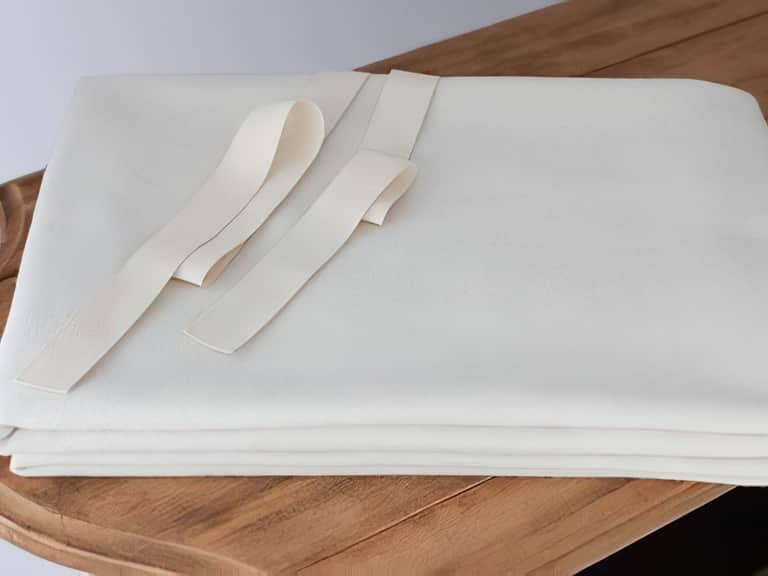
In the broader product ecosystem, accompanying items such as a Savvy Rest Wool Mattress Pad offer additional layers of comfort and protection. The wool pad’s moisture resistance, natural insulation, and removable cotton straps for a snug fit underscore how a layered sleep system can be built from complementary organic components rather than a single, monolithic unit.
For readers who value a holistic approach, the combination of a latex core with wool insulation and cotton surfaces, paired with a responsible warranty and clear sourcing narratives, provides a credible path toward healthier sleep environments that align with ethical and environmental standards.
Savvy Rest Tranquility Latex Mattress — Key specs
- Core: Two layers of natural latex (Dunlop or Talalay)
- Cover: 100% certified organic cotton
- Flame barrier: Certified organic wool
- Certifications: Organic components with third-party verification
- Ideal for: Comfort-conscious sleepers seeking a customizable latex experience
Savvy Rest Wool Mattress Pad — Key specs
- Material: Organic wool; organic cotton corners
- Function: Moisture management and loft enhancement
- Care: Hand wash or gentle care as directed
- Made in the USA
7) A note on the target audience and accessibility
This article is crafted for a broad readership—from curious newcomers to sleep-health enthusiasts and researchers exploring material science within consumer products. It emphasizes accessible explanations of terms, certifications, and practical steps for comparing products without pressuring readers toward a particular brand or purchase. The aim is to empower informed decisions grounded in credible sources, robust transparency, and durable comfort.
The open-identity ethos of the domain concept—OpenBox Mattress—supports education over advertisement. It invites readers to explore how box-delivered mattresses fit into a larger conversation about healthy sleep, sustainable production, and open data about materials and certifications. In this sense, the reader becomes a co-navigator, building a knowledge base that supports better sleep choices for years to come.
8) A suggested site architecture and content roadmap
To translate this analysis into a thriving educational resource, consider a site map that foregrounds education, transparency, and practical guidance. A suggested structure includes:
- Home: Baconian overview of organic sleep philosophy and a featured guide
- Material Guides: Organic cotton, natural latex, organic wool, blends
- Certifications: GOTS, GOLS, CertiPUR-US, OEKO-TEX, GREENGUARD
- Care & Longevity: Cleaning, rotation, protection, seasonal adjustments
- Comparisons: Side-by-side brand profiles with material breakdowns and transparency notes
- Glossary: Sleep terms, technical definitions, pronunciation
- FAQs: Common buyer questions and myth-busting explanations
- Ethical Sourcing: Open data, supplier transparency, and sustainability reports
- Resources: Downloadable one-page guides and scientific references
A quarterly editorial calendar could feature evergreen pieces (two to four per month) plus seasonal content that aligns with consumer decision cycles, such as “Choosing an Organic Mattress for Back Pain” or “Sleep Health Across the Lifespan.”
9) Closing reflections: a future-forward, non-commercial educational ethos
In a marketplace saturated with claims of safety and sustainability, a resource built on robust material understanding, transparent sourcing, and responsible care practices offers a valuable counterbalance. The organic mattress conversation is, at its core, about health—our personal well-being as a daily practice and a long-term relationship with the planet. By embracing credible research, client-centered design ethics, and open data, the field can nurture trust with readers who seek to align their sleep environments with their values.
As the discourse continues to evolve, the insistence on clarity—what materials are used, where they come from, how they are processed, and how they are tested—will shape not only purchase decisions but broader conversations about how we design, measure, and maintain the most intimate aspects of our daily lives: our beds, our rest, and our health.
Images and product references
Selected organic mattress components and a representative product have been referenced to illustrate how these materials come together in real-world builds. The following product is included as a concrete example for readers who wish to explore an organic latex-based option:
Savvy Rest Tranquility Latex Mattress (7 inch)
Core: Two layers of natural latex; Cover: Organic cotton; Flame barrier: Organic wool
Savvy Rest Wool Mattress Pad
Natural wool, Organic cotton corners, Moisture management
Note: The visual references in this article are illustrative descriptions of product features. For current availability and exact specifications, please consult the brand’s official product pages.
Appendix: a concise glossary of terms
To support comprehension, here are quick definitions for common terms encountered in organic mattress discussions:
- Organic cotton: Cotton grown without synthetic pesticides or fertilizers, often certified by GOTS when used in textiles.
- Latex (Dunlop vs. Talalay): Two different processing methods for latex foam; Dunlop typically yields a denser feel, while Talalay offers a lighter, more uniform cell structure.
- GOTS: Global Organic Textile Standard, a leading certification for organic textiles, covering farming and processing.
- GOLS: Global Organic Latex Standard, certifying organic latex supply chains and processing.
- CertiPUR-US: Certification for foams ensuring low chemical emissions and safe content levels.